Langston’ Integrated Network College (LINC) was created in 2003 with the support of a National Science Foundation grant of $2.6M as well as the support of Langston University’s community of staff and faculty. A subsequent NSF grant, almost equal in size to the first, extended the program through 2014.
LINC has emerged as a training ground and showcase for Langston’s scholars in STEM (Science, Technology, Engineering, Mathematics) disciplines.
Since its inception, the LINC program has garnered recognition for its development of STEM scholars that have excelled on a national stage. As importantly, the number who enter and complete STEM degrees has increased exponentially, as has the number that entered and completed advanced degrees in STEM.
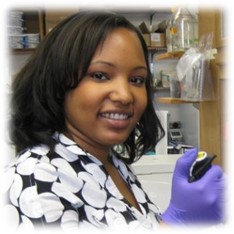
LINC Graduate
LINC Graduate
The Genesis of LINC
LINC is the brainchild of Langston Chemistry Professor and Department chair, John K. Coleman, PhD, whose philosophy for learning includes an unyielding belief in such age-old adages as start where you are, use what you have, expect excellence, and learn the basics – reading and math. It was the climate of collaboration at Langston that made the creation of LINC possible.
Langston had over fourteen (14) pre-college programs, at least five (5) Langston-based programs, and more that twelve (12) external partners that had attributes that could contribute to a network of support for scholars interested in, and capable of excellence in, STEM disciplines. The expectation of excellence and support among STEM staff; Langston’s hard-wired, existing programs; and the NSF HBCU-UP’s vision and support – properly integrated – resulted in LINC.
LINC Results
During LINC the number of STEM majors increased by 600%
Tomica Blocker, MD/PhD
LU Grad/LINC Scholar – Biology. 2008. PhD Zoology- Oklahoma State University 2016. MD – University
of Kansas 2017. Currently Resident Physician at Children’s Health. Dallas, Texas
Kendra Vann, PhD
LU Grad/LINC Scholar – Kendra Vann - Chemistry 2009
PhD - Vanderbilt University School of Medicine 2016. Currently Biomedical Researcher- University of
Colorado Anschutz Medical Campus.
Phoebe Lewis, PhD
LU Grad/LINC Scholar – Phoebe Lewis - Biology 2012. PhD - Baylor College of Medicine 2018. Currently
Medical Science Liaison, Mayne Pharma. Houston, Texas.
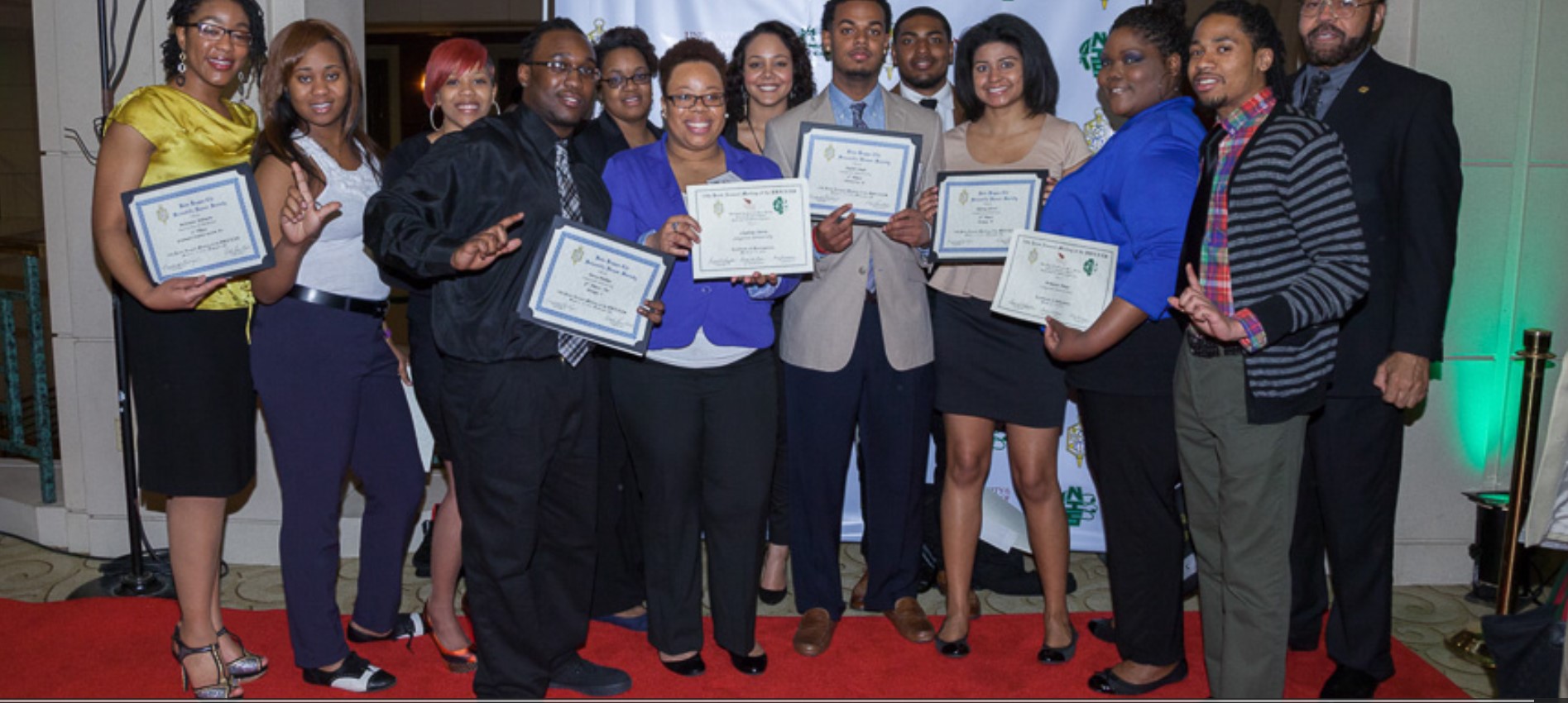
LINC Scholars displaying their Research Presentation Award
Summer Research Participation
Lessons learned during the course of the first LINC program (2003-2007), combined with the launch of new technologies, resulted in two new programs that have significantly impacted teaching and learning (Competency Performance Recordings for Learning – CPRL), and internal and external communications (STEM Digital Village – SDV).
Participation in the LINC project is the doorway for students to become involved in impressive research internships at various universities and research organizations nationwide. Students leverage their research experiences to gain entry into competitive research presentations at events that include the highly competitive Emerging Researchers National (ERN) Conference and the equally competitive Beta Kappa Chi and National Institute of Science (NISBKX) Joint Meeting. Langston’s LINC scholars hold their own among presenters from other HBCU’s and comprehensive universities that include University of California at Los Angeles, University of Arizona, Alabama State University, St. JohnsUniversity, and John Hopkins School of Medicine.
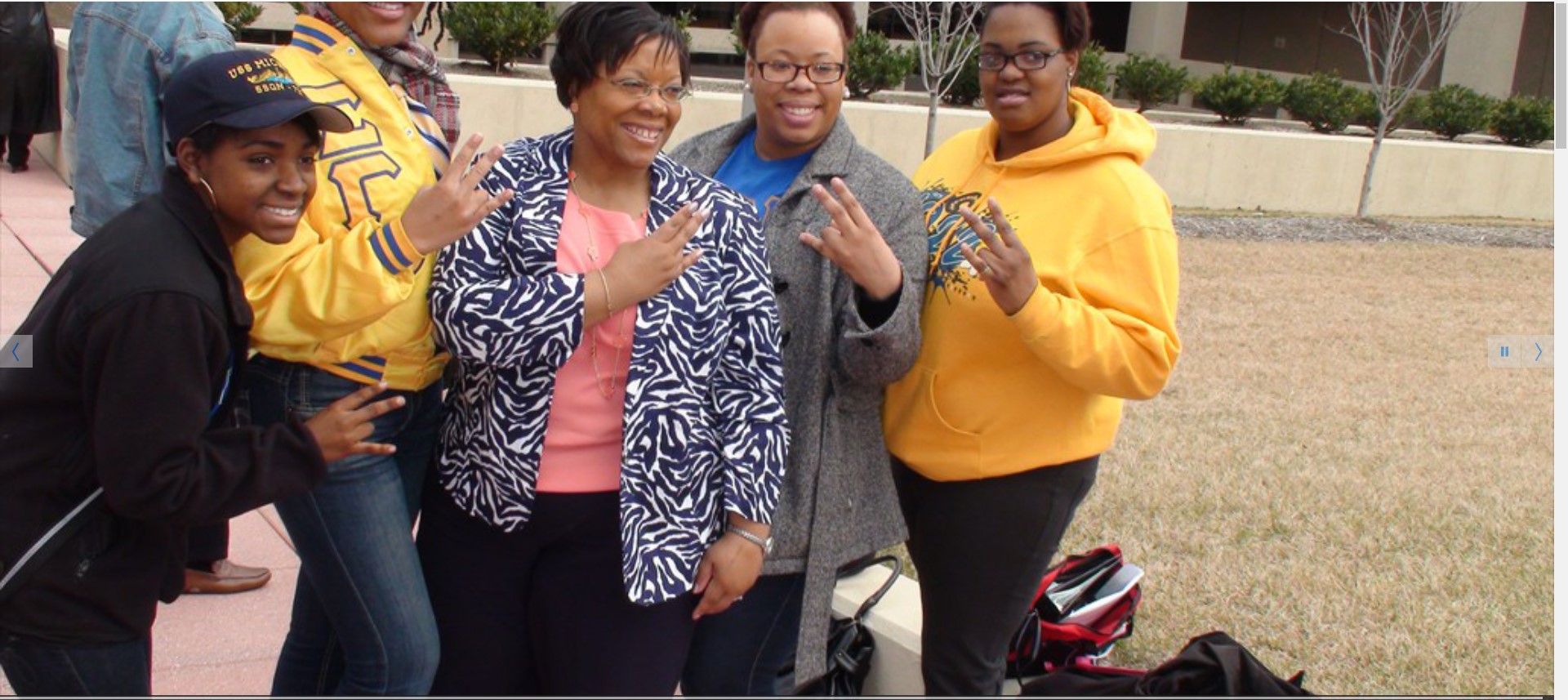
LINC STEM students attend national STEM conference
During the course of the LINC project, the number of STEM majors increased by 600% compared to the pre-LINC period. The number of Chemistry graduates increased by 151%, and the number of Biology graduates increased by 23%.
The LINC project has been supported through four (4) Langston University presidents, and still endures. We believe that its endurance can be attributed to the university’s support of its mission, the intense collaboration, and results that continue to benefit LINC scholars and the nation.
At its beginning, the LINC team’s decades of success teaching higher education STEM courses to predominantly African-Students informed the program’s content.